
Lessons From Argentina’s Collapse
What American Survivalists Still Get Wrong

Argentina’s economic collapse stripped away many comforting illusions about preparedness. One of the biggest was the idea that survival belongs to the man with the biggest pile of gear.
In reality, survival belonged to people who adapted.
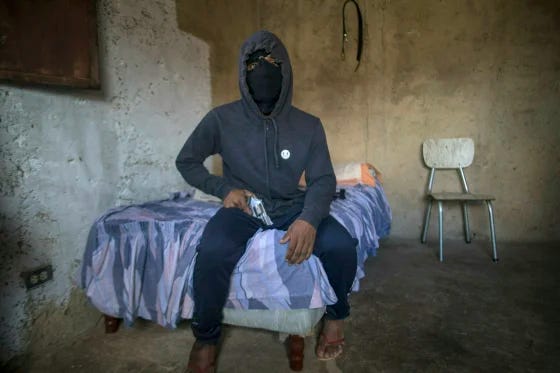
When Argentina’s economy imploded in 2001, millions watched their savings evaporate almost overnight. Banks froze accounts. Inflation spiraled out of control. Unemployment exploded. Riots and looting erupted in major cities. Entire sections of the middle class fell into poverty with shocking speed.
But collapse did not look like a Hollywood apocalypse.
People still went to work. Children still went to school. Families still tried to shop, eat, commute, and maintain some sense of normal life. Society did not disappear. It simply became dangerous, unstable, and deeply unpredictable.
That distinction matters because many American preppers prepare for the wrong kind of collapse.
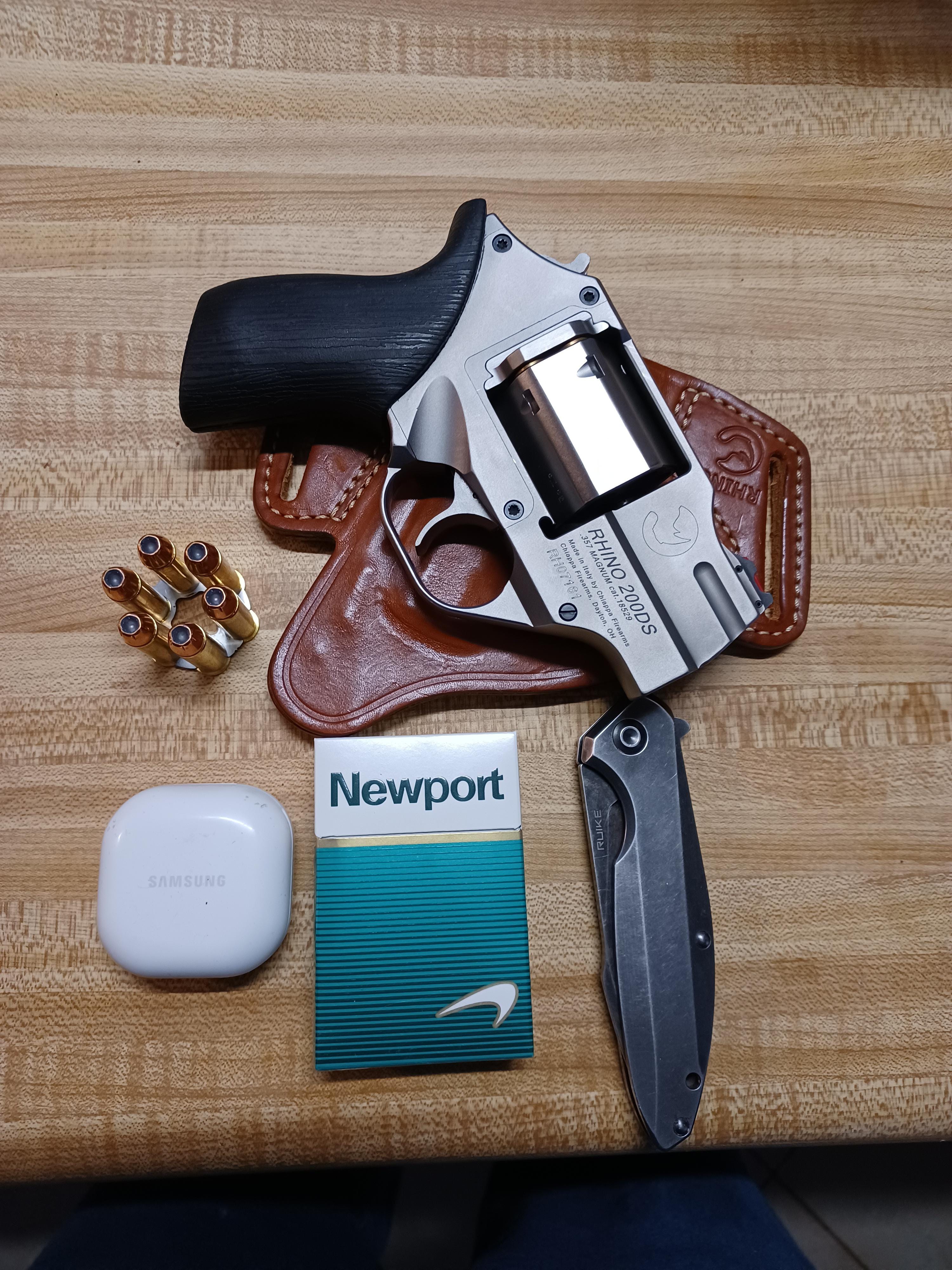
The fantasy is usually tactical.
Rifles stacked in safes. Chest rigs. Body armor. Night vision. Thousands of rounds of ammunition. Endless discussions about calibers, optics, and defensive positions.
But Argentina showed that most violence during societal decline is not military.
It is criminal.
People were not fighting organized armies in suburban firefights. They were trying to survive kidnappings, robberies, carjackings, burglaries, home invasions, and constant street crime. The danger was sudden, close, and usually happened while people were living ordinary lives.
That changes what preparedness actually means.
A rifle locked in a safe across the house is of little use when two knife wielding men approach you in a parking lot. A plate carrier hanging in the closet does nothing during a roadside robbery. The ability to “gear up” assumes danger announces itself in advance.
Real danger rarely does.
One of the most consistent lessons from Argentina was that the handgun you actually carried mattered far more than the rifle you owned.
People who survived violent encounters often did so because they had a concealed handgun immediately available. Not in the car. Not in another room. On them.
Every day.
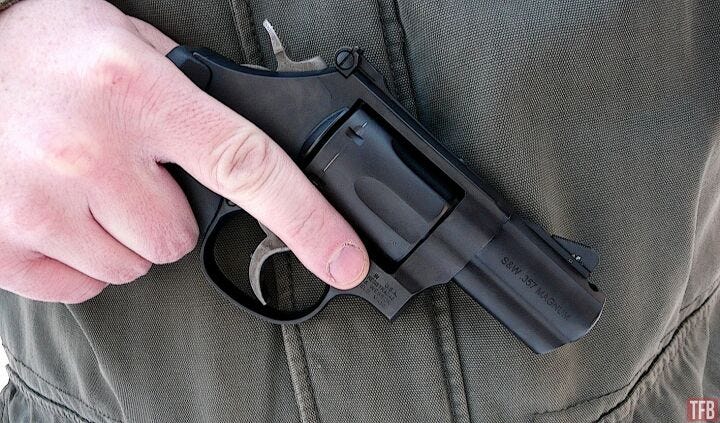
Many people carried constantly, even inside their homes, because crime became so common and unpredictable. The lesson was brutally simple: the defensive firearm that matters is the one within reach when ordinary life suddenly turns dangerous.
That reality also exposed another flaw in American prepper culture...the obsession with looking tactical.
In stable societies, expensive equipment can be a hobby or status symbol. During instability, it can become a beacon.
Argentina taught the value of becoming forgettable.
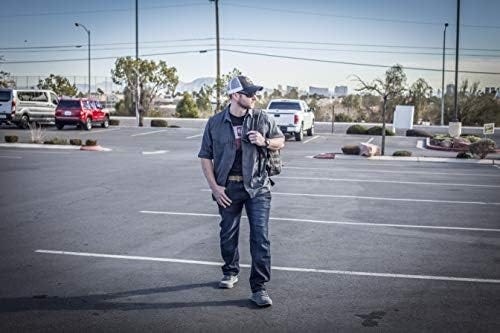
Ordinary clothes. Ordinary vehicles. Quiet habits. Low visibility.
The people who drew attention to themselves often became targets. Looking prosperous, heavily equipped, or obviously armed could invite exactly the kind of scrutiny you wanted to avoid. The so-called “gray man” approach was not internet theory there. It was practical survival.
A compact revolver or concealed pistol under a loose shirt made infinitely more sense than trying to walk around looking like a private military contractor.
Another hard lesson involved gold.
American survivalist culture often treats gold and silver as universal collapse-proof wealth. Argentina demonstrated that reality is more complicated.
People holding gold frequently discovered that it was difficult or outright impractical to use in day-to-day survival. A grocery store owner trying to feed his own family often had little interest in weighing precious metals or gambling on purity during an economic panic. In unstable environments, liquidity matters more than theoretical value.
You cannot shave a few dollars’ worth of gold off a coin to buy bread, fuel, medicine, or diapers.
Even when precious metals retained long-term value, they often failed as practical street-level currency during the actual crisis. People needed immediate, recognizable, divisible means of exchange.
What actually worked was cash, foreign currency, trade goods, and practical necessities.
U.S. dollars became especially valuable because they were trusted more than the collapsing local currency. People also bartered constantly using food, fuel, batteries, medicine, alcohol, cigarettes, tools, and services. Someone who could repair generators or fix vehicles often possessed more immediate economic power than someone sitting on a cache of gold coins.
That is another uncomfortable truth many preparedness enthusiasts overlook.
Skills frequently matter more than stockpiles.
Mechanical ability. Medical knowledge. Situational awareness. Emotional discipline. Communication skills. Adaptability. The ability to stay calm and think clearly under pressure.
These things kept people alive.
Preparedness is not simply acquiring equipment. It is becoming difficult to destabilize.
Argentina also revealed how important community becomes during decline. Families pooled resources. Neighbors shared information. Informal networks emerged. Trusted relationships became invaluable.
Many American preparedness fantasies revolve around the lone survivor defending his supplies from the world. Real collapse tends to reward cooperation instead. Reliable friends, skilled relatives, and trustworthy neighbors often become more valuable than another rifle in the safe.
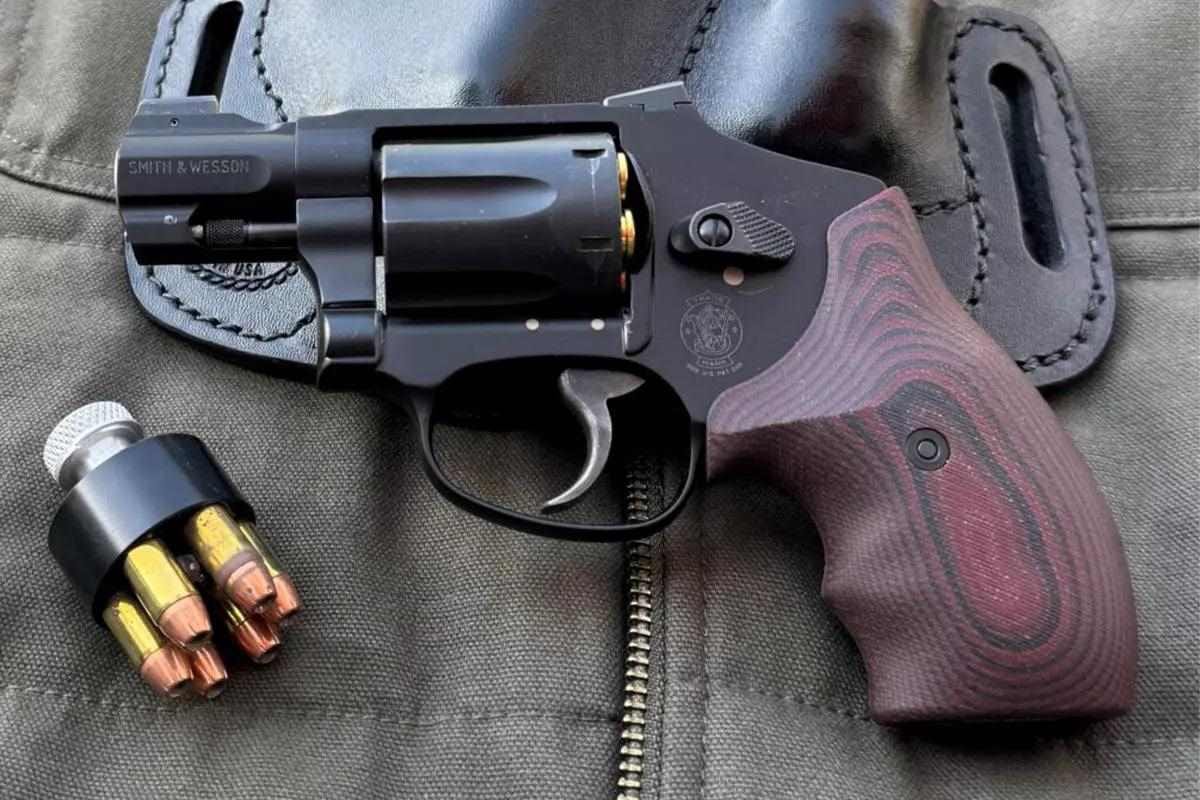
Ironically, many of the lessons from Argentina point back toward simple, practical defensive firearms, including revolvers.
Not because revolvers are magical or superior in every situation, but because reliability, concealability, simplicity, and constant carry matter far more than internet debates about tactical perfection.
The lightweight revolver in a man’s pocket while buying groceries is infinitely more useful than a customized fighting rifle sitting at home beside a plate carrier and six loaded magazines.
That may not fit the modern tactical fantasy.
But it fits reality.
Argentina’s collapse showed that societal breakdown is usually uneven, gradual, and criminal rather than cinematic. The winners were rarely the loudest men or the ones with the most gear.
More often, they were the observant, adaptable, socially connected people who stayed armed discreetly, avoided unnecessary attention, maintained useful skills, and understood that survival is usually less about winning battles than navigating instability.
Preparedness is not pretending to be a commando.
It is remaining functional while the world around you becomes dysfunctional.
That is a much harder lesson.
And a much more valuable one.
Steve, this is an article to archive and refer to every now and again. It's pure gold. Social collapse will present a very complex picture.
I've said many times, we tend to waste resources thinking stuff is going to save us. It ain't. Skills at using what you have will.
Once, a while ago, when trying to figure out how to afford the latest and greatest blaster, without I would not prevail in the fight, I thought "How much could I take with me if I had to bug out?" Why leave weapons and ammo behind because you need other stuff like food and clothing?
Changed my point of view completley.
Great article. Minimize and become highly proficient at the basics. Be dependable and reliable to your family, friends, and neighbors. Excellent points.